




130 Fulton Street, Suite 9A
New York City, NY
Missing someone after a harmful relationship can involve tenderness, selective memory, and hopes that outlast the relationship. Understanding the particular loss need not turn it into a reason to return.
“I know the relationship was bad for me. So why do I still miss them?”
The question seems to contain a contradiction. If the reasons for leaving were convincing, shouldn’t the desire to return have disappeared? We might expect our feelings to accept the verdict and leave the courtroom. They rarely do.
Imagine someone who remembers, with considerable clarity, being dismissed whenever a disagreement arose. Yet what comes to mind on a quiet Sunday is the way the other person made coffee, or an absurd conversation on a train. Neither memory is necessarily false. The difficulty lies in what happens when one is asked to stand for the whole relationship.
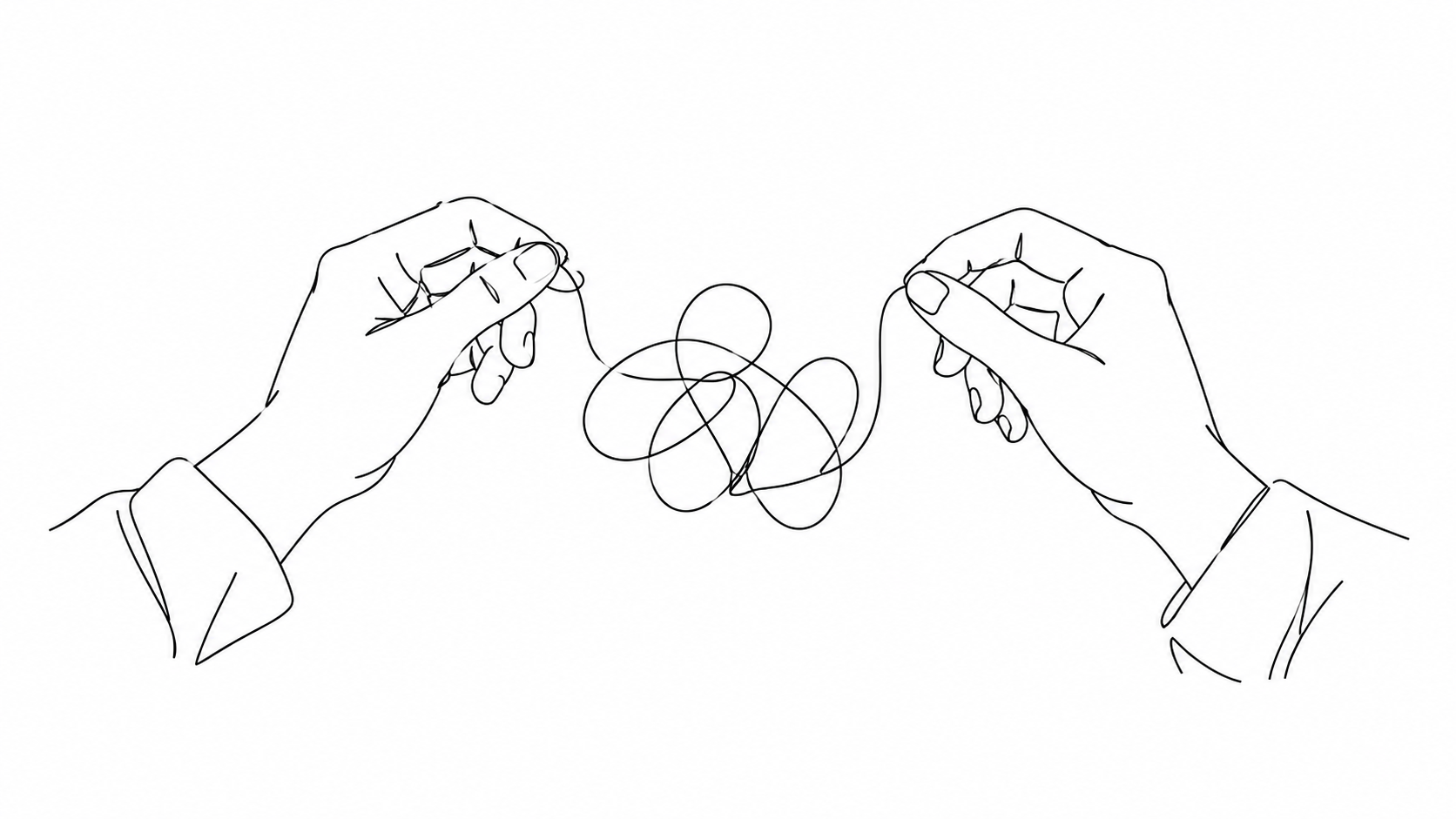
Missing can be selective. In that moment, the person may miss a particular kind of tenderness, an audience for a joke, or the feeling of belonging to an “us.” They may also miss something that was promised more often than it was experienced. These losses can become tangled together. “I want them back” sounds definite; what “them” includes is less so.
Even the word “toxic” leaves much to discover. It can name something that has been difficult to acknowledge. It can also gather very different experiences under one heading: disappointment, mutual hostility, coercion, violence. Those distinctions matter. Calling a relationship harmful does not tell us everything about the attachment, just as finding something to miss does not make the harm disappear.
There may be a wish for the story to end differently. If the other person finally understood, apologized, or became reliably affectionate, the past might seem less humiliating or wasteful. A reunion would then be asked to accomplish something larger than renewing contact. It would have to establish that the waiting had made sense.
But that is only one possible account. Someone else may have no hope of reconciliation and still miss the person intensely. Grief need not conceal a plan. Shared friends, a home, money, children, and the shape of an ordinary week are also part of a relationship. An account concerned only with unconscious attachment would miss much of what has actually been lost.
Earlier relationships may become relevant. A familiar uncertainty about being wanted, for example, might have acquired a new setting. Yet familiarity cannot be assumed from the fact that a relationship was painful. Nor does looking at one’s own history transfer responsibility for another person’s mistreatment. The question is what this particular attachment meant, and how that meaning took shape.
In a therapeutic conversation, the sentence “I miss them” might therefore be allowed to remain unfinished. What follows could be affection, anger, embarrassment, relief—or a memory that complicates the explanation offered a moment earlier. Understanding may develop through those changes rather than through locating the correct label at the outset.
The decision to leave can be sound while the feelings about leaving remain unresolved. A person need not erase the tenderness to take the harm seriously. Nor must tenderness become an argument for returning. Over time, “I miss them” may become a more particular statement: this is what I loved, this is what I kept hoping for, and this is what I could no longer live with.
Where a relationship involves threats, stalking, coercion, or violence, safety needs attention in its own right. The National Domestic Violence Hotline offers individualized safety-planning support; general advice about confrontation or cutting off contact may not fit a person’s circumstances.
