






130 Fulton Street, Suite 9A
New York City, NY
A recurring argument can contain a real grievance, an unspoken expectation, and a wish that feels difficult to express. Understanding the exchange leaves room for responsibility as well as meaning.
By the time an argument becomes an argument about someone’s tone, an earlier conversation may have disappeared.
Imagine that two friends agree to meet on Saturday. One changes the time, then the place. The other accommodates both changes, arrives irritated, and makes a cutting remark. Now they are discussing the remark. There is something real to discuss: it was unkind. There is also something they have not yet discussed: what happened between the first agreement and the eventual arrival.
“Why are you so angry?” can be a reasonable question. Depending on how it is asked, it can also imply that the anger has no relation to anything the questioner has done. The angry person may respond by assembling a history of every previous inconvenience. Soon neither person can recognize the encounter the other is describing.
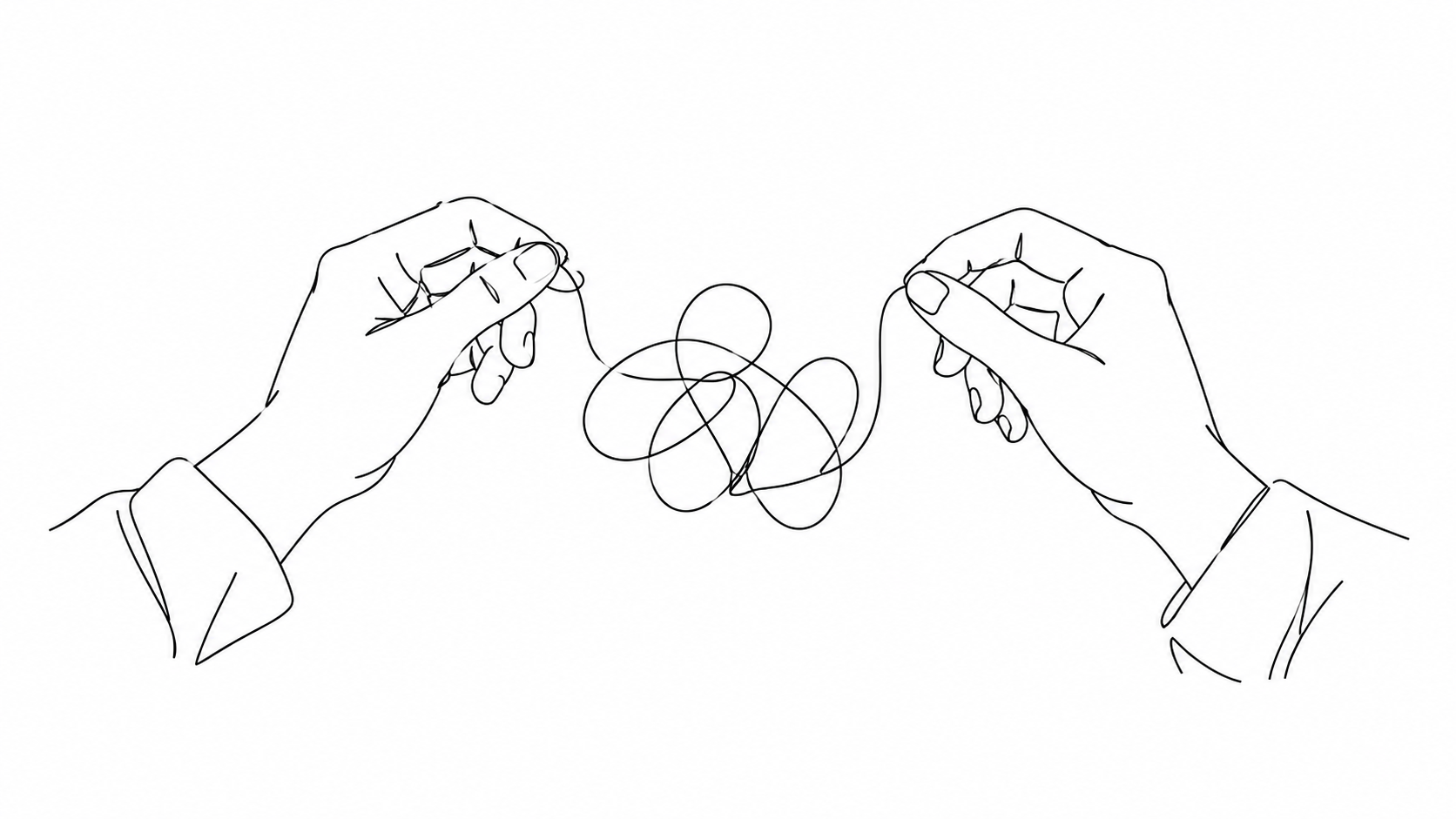
To ask for the root of the anger is to hope for some order in this confusion. Perhaps there is a single origin that would make the whole episode intelligible. Yet the anger may have several threads, and their relation may matter more than deciding which is deepest.
The friend may have been treated inconsiderately. They may also have agreed to changes they resented because saying no felt ungenerous. Perhaps they hoped their flexibility would be noticed and reciprocated without a request. An accommodation can become, in someone’s private understanding, an agreement the other person never knew they had made.
None of this establishes what happened in a particular friendship. The changes might have been unavoidable. Or this might be one episode in a long history of one person’s preferences taking precedence. Details that look minor from outside can change the account substantially.
There is no need to assume that anger is always a disguise for sadness or fear. A grievance may be precisely what it appears to be. Anger can also coexist with affection, embarrassment, envy, or a wish to be important to someone. These feelings do not cancel one another. Their coexistence may be part of what makes speaking plainly so difficult.
“I wanted you to think about me” can feel more exposing than “You are unbelievably selfish.” In the first sentence, the speaker acknowledges a wish whose reception they cannot control. In the second, they announce a verdict. For some people, that difference could help explain why an accusation comes readily while the wish behind it remains difficult to say. For others, a different account will be needed.
The person receiving the accusation has an experience too. They may feel that every alteration becomes proof of a character defect. Or they may use the other person’s anger to avoid acknowledging their own carelessness. Understanding the exchange requires room for both people without assuming that responsibility is always equal.
Exploration does not make cruelty or intimidation acceptable. An explanation for a cutting remark cannot substitute for acknowledging its effect. If anger involves threats or a risk of violence, immediate safety takes priority over interpreting the interaction.
When anger keeps returning, a therapeutic conversation can make room for the point at which the story becomes complicated: the agreement that was not really an agreement, the expectation never spoken, the grievance that was valid but could only be expressed as an attack. These are possibilities to discover rather than instructions about what anger must mean.
The Saturday meeting might still need to be discussed. Someone changed the plans; someone made a hurtful remark. A more complete conversation would have to return to both events, including the awkward stretch between them when one friend said “That’s fine” and the other believed it.
