





130 Fulton Street, Suite 9A
New York City, NY
An apparently uneventful day can be exhausting when attention stays on signs of trouble. Feeling on guard deserves an inquiry into present circumstances and personal history, without assuming a diagnosis.
“Nothing happened” can be a puzzling description of an exhausting day.
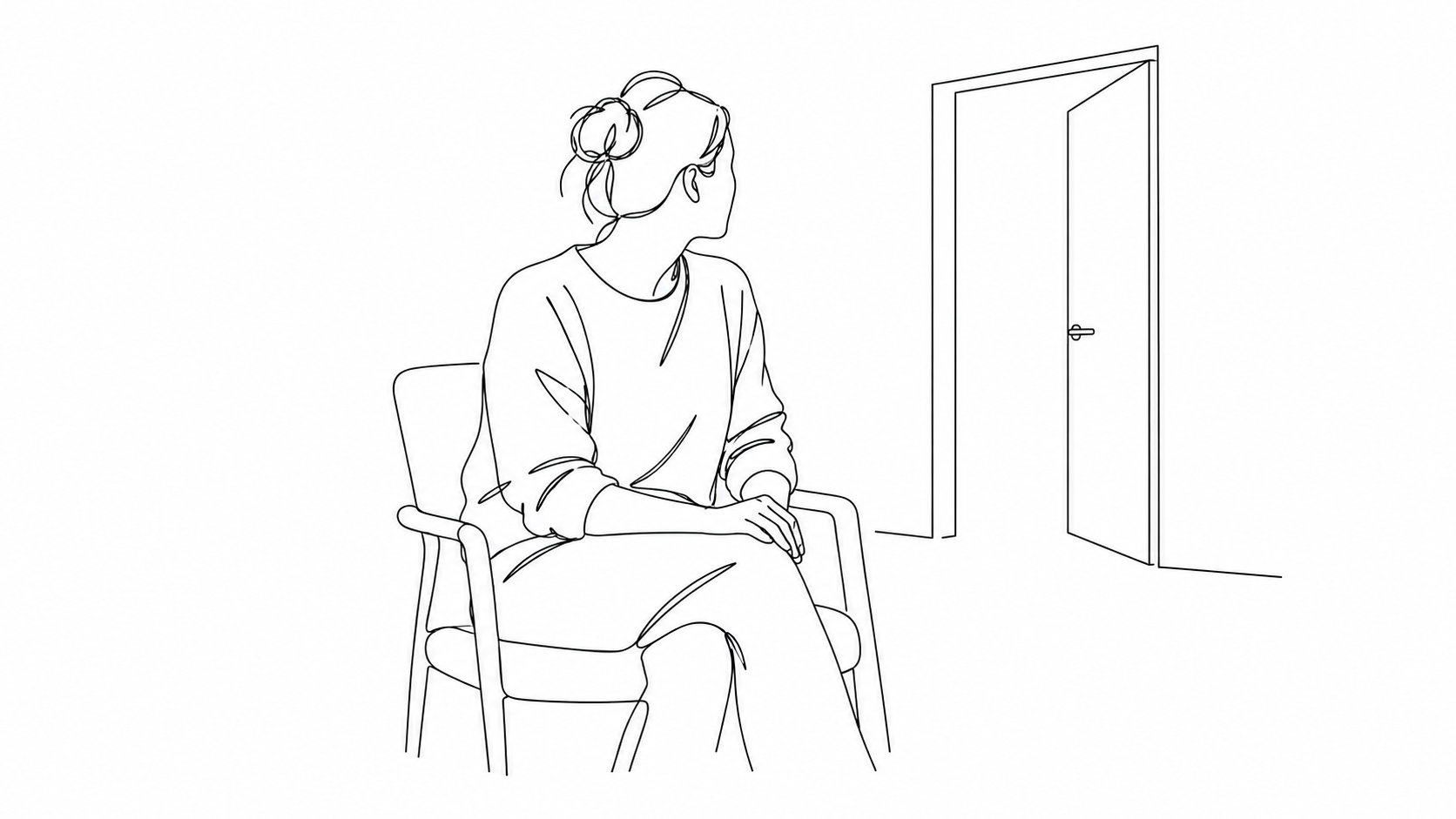
No argument, no accident, no obvious emergency. Yet a person may have spent the afternoon attending to footsteps, pauses in conversation, and small changes in another person’s expression. They know who has gone quiet. They know when a door has closed a little harder than usual. By evening, there is very little energy left.
From outside, this may look like an inability to relax. From inside, relaxing may seem to mean failing to notice something that needs to be noticed. The difficulty is already more particular than a general preference for calm over anxiety.
Imagine someone who feels uneasy when a partner comes home and says very little. The partner may simply be tired. But the quiet does not arrive as a neutral absence of speech. It arrives as a question, perhaps even a demand: something has changed, and I ought to know what it is.
Where did that “ought” come from? In one person’s history, close attention to someone else’s mood may have been necessary. In another, the expectation of being considerate may have become entangled with responsibility for everybody’s comfort. In a third, the present relationship may actually be unpredictable. Similar watchfulness does not establish a common history.
The phrase “nothing is happening” also deserves examination. Who has decided that nothing is happening? A person living with coercion or threats may have good reason to remain alert even during a quiet evening. No psychological interpretation should require them to dismiss that reality. Practical safety and support may be the most immediate needs.
Where the surroundings are relatively secure, a different difficulty can emerge. A person may know that today’s silence is unlikely to end in an outburst and still be unable to experience it as uneventful. Knowing something about the present does not necessarily settle what the situation has come to mean.
That observation can tempt us into a ready-made story about unresolved trauma. Sometimes trauma is central. But a story chosen in advance can become another demand the person has to satisfy. They need not locate a forgotten event or agree with an interpretation in order for their distress to be taken seriously.
Hypervigilance is a term often used for heightened watchfulness for threat. It can help name an experience, but it cannot supply an individual explanation. The National Center for PTSD includes feeling on guard among possible PTSD symptoms; determining whether someone has PTSD requires assessment of a broader history and symptom pattern.
A conversation about watchfulness might include what it costs as well as what it anticipates. There may be little opportunity to discover one’s own mood when attention is occupied by everybody else’s. Pleasure can be interrupted by a check that nothing has gone wrong. Even being cared for might feel unfamiliar if one is accustomed to doing the monitoring.
These possibilities would need to be explored in the person’s own terms. The expectation of having to notice everything could even enter the therapeutic relationship: a pause becomes evidence of disapproval, or the therapist’s expression becomes a task to decipher. Discussing such a moment may offer something more specific than another instruction to feel safe.
Persistent distress, disrupted sleep, or difficulty functioning warrants professional assessment, including consideration of current circumstances and other possible contributors. There is no need to arrive with a diagnosis.
What appears to be an empty afternoon may turn out to have been crowded with expectations. Giving those expectations words can begin to make the effort visible—even on a day when, according to everyone else, nothing happened.
