




130 Fulton Street, Suite 9A
New York City, NY
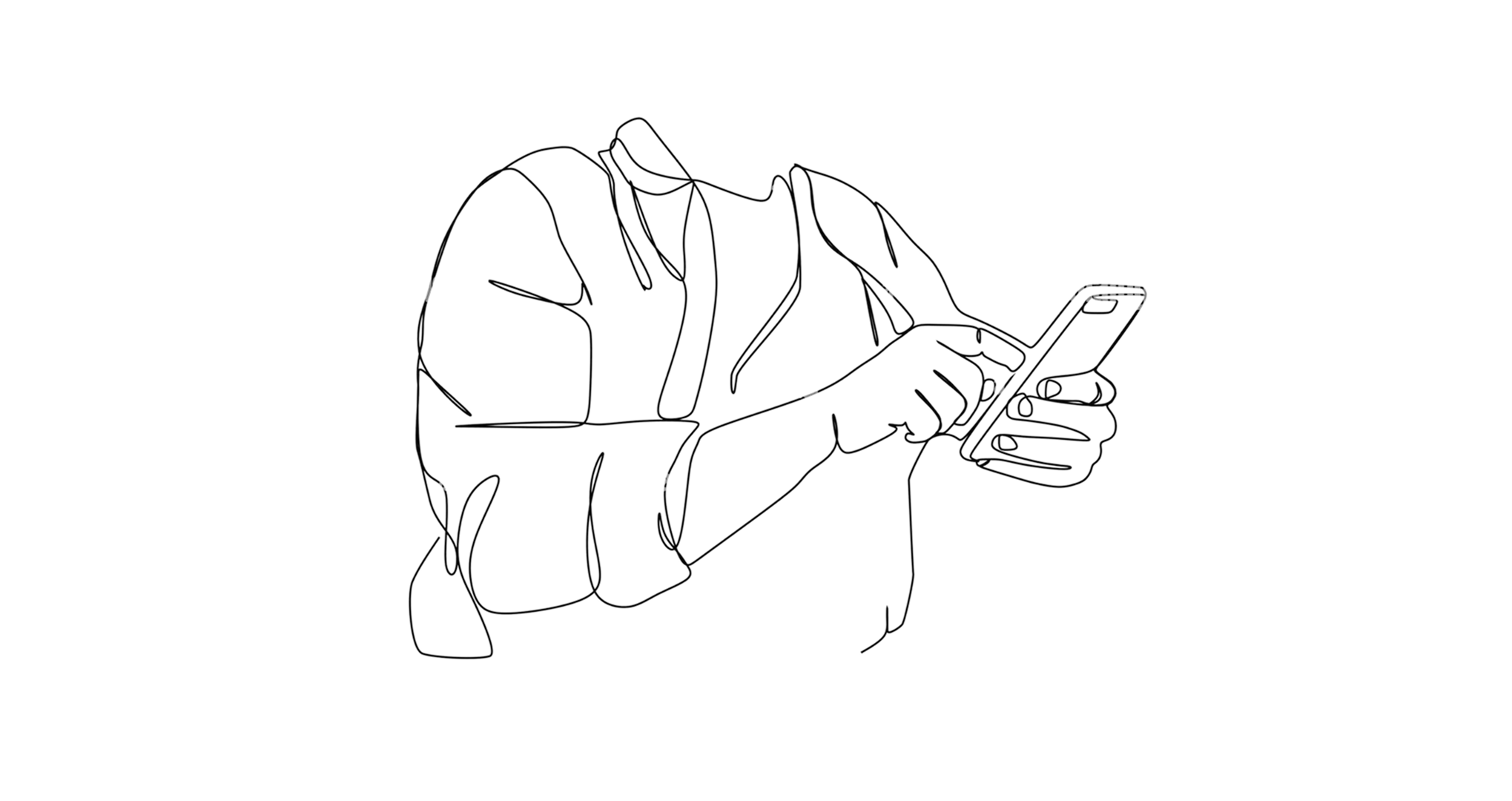
It’s in your pocket, in your bag, in your hand. You touch it, rub it, caress it, turn it off and on, look at it numerous times a day. You bring it to work, to the gym, to the office, to the bathroom, to bed. It’s with you at breakfast, lunch, and dinner. You take it on dates, trips to the doctor. On vacations. It’s always on, blinking, beckoning, seducing. Like a siren song it calls to you, inserting itself in whatever you’re doing, demanding your attention. You invite it everywhere. Sometimes it’s a helpful, interesting, informational resource. But mostly it’s part of an exciting, soothing, pacifying, sensual loop of yearning, distraction, and release. Like junk food, b-movies, one-night-stands, it scratches a primal itch; to be touched, validated, understood. It’s technological onanism and has displaced much of related human interaction. I’m talking, of course, about the smartphone, but the laptop and mainframe computers affect us in very similar ways.
Relatedness, in a psychological sense, has to do with how recognizable one feels in the presence of an other; how much of oneself one wants to be seen. From the superficial dimension of having things in common, like hobbies, favorite movies, culinary preferences, to the deeper dimension of sharing experiences of desire, trauma, loss, joy or discovery, relatedness is what Dorothy Parker had in mind when she said that she didn’t want to tell anyone anything that they didn’t already know. That recitations of factual information comprise the most basic form of interpersonal exchange, and what she was seeking was a dimensional sense of connectedness, the complementary recognitions of what it means to be alive. It might be somewhat interesting to learn that your interlocuter shares your enjoyment of pizza, but it is another thing altogether to discover that they, also, know what it’s like to feel sick with desire.
It is not news that technology has fundamentally altered how we live, and what we live for, and has changed, perhaps irrevocably, what it means to be a democracy. What is news, alarming news, is how seamlessly technological encroachment has seeped into the very fabric of our lives. We are like the frog who, placed in gradually heated water, becomes so numb to his surroundings that before he knows what is happening, becomes a boiled frog.
AI is the ultimate faux-relatedness delivery system, mimicking human responsiveness and elevating and conflating human relatedness with technological onanism.
Lest I be labeled a Luddite, I am specifically focused here on the observation that when AI is used in lieu of human-to-human contact, alienation, dissociation, fragmentation, and narcissistic tendencies increase. When that is not the case, when AI is used as an informational tool, not as a human substitution, it can be immensely helpful, productive, and even life-saving.
Nicholas Samstag, Ph.D. is a clinical psychologist and psychoanalyst in private practice in New York City, where he has worked for more than twenty years with high-functioning adults. He practices at 130 Fulton Street.
